
It is common to notice that one shoulder, hip, or leg feels tighter than the other. You may turn your head farther in one direction or reach one arm higher with less effort. This does not always mean something is wrong. A small body imbalance can develop from the way you work, exercise, drive, sleep, and complete daily tasks. Over time, these habits may lead to uneven muscle tightness.
You Use One Side More Often
Most people have a side they use more. You may write, carry bags, open doors, or hold your phone with the same hand each day. During sports, you might kick with one leg or turn in the same direction. Your dominant side can become stronger but also more tense because it handles more work.
The other side may become weaker or move less often. When both sides do not share the work, certain muscles may tighten to provide more support. This can change how you stand and move. The effect may seem small at first, but years of repeated movement can make the difference easier to notice.
Your Work Position May Be Uneven
Desk work is a common cause of uneven tightness. Your computer may sit slightly to one side, causing you to turn your head for hours. You may hold the phone between one shoulder and your ear or lean on the same elbow while reading. Even sitting with one leg crossed can create uneven posture through the hips.
These positions may not hurt right away. The problem often builds slowly as certain muscles stay shortened while others must work harder. One shoulder may begin to sit higher, or one side of the lower back may feel tired by the end of the day. Changing your desk setup and sitting position can help reduce this muscle tension.
An Old Injury Can Change How You Move
Your body may change its movements to protect an injury. If your right ankle once hurt, you may have placed more weight on your left leg. The pain may be gone, but your body might continue using the same protective habit. An old injury can affect how you walk, bend, run, or climb stairs long after the area has healed.
This extra work may cause the opposite side to feel tight or sore. For example, protecting one knee can place more stress on the other hip. The area that feels tight may not be where the problem began. Looking at your full movement pattern can help explain why the same side keeps becoming tense.
Tight Hips Can Affect the Rest of Your Body
The hips help support your spine and control the movement of your legs. Sitting for long periods can make the muscles at the front of your hips feel short. If you lean toward one side or keep a wallet in your back pocket, one hip may become tighter than the other. These tight hips can change the position of your pelvis.
When the pelvis is uneven, the lower back may work harder to keep you upright. The effect can also travel upward toward your shoulders or downward toward your knees. This is why stretching only the sore spot may not provide lasting relief from lower back discomfort.
The Tighter Side Is Not Always the Stronger Side
A tight muscle can feel strong because it is hard and tense, but tightness does not always mean strength. A muscle may stay tense because it is tired, weak, or trying to support another area. In some cases, muscle weakness makes the body depend too much on nearby muscles.
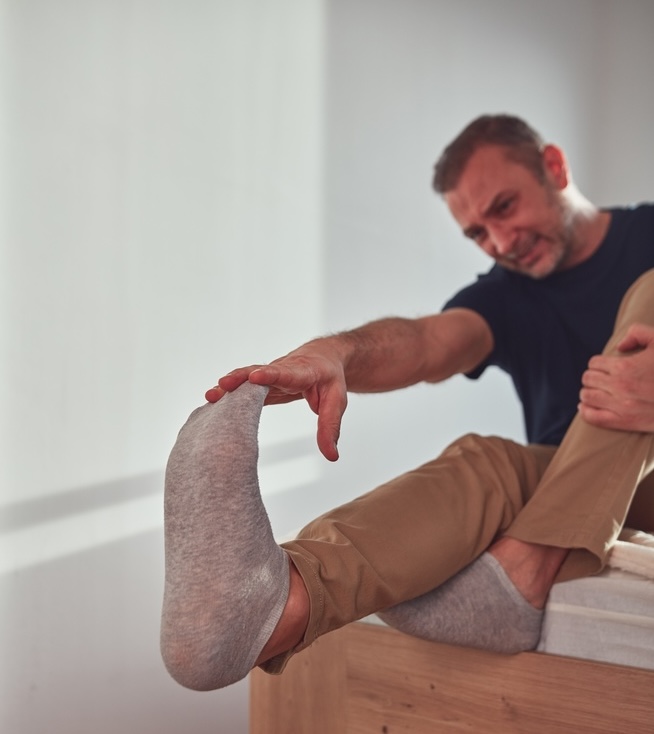
Stretching the tight area may feel good for a short time, but the tension can return if the weaker areas are not addressed. Your body may need a mix of stretching, movement, and strength work. This is why stretching alone does not fix every imbalance.
Small Daily Changes Can Help
Begin by noticing your normal habits. Switch the hand that carries your bag, place your screen directly in front of you, and avoid leaning on the same arm. Try to stand with your weight spread across both feet. Gentle stretches on both sides can support balanced movement, even if one side feels much tighter.
You can also add short walks and position changes throughout the day. Avoid forcing the tight side to move as far as the other side. Slow progress is safer than pushing through pain. Taking regular movement breaks can keep the muscles from staying in one position for hours.
Know When to Seek Help
Uneven tightness is often linked to daily habits, but some symptoms need more attention. Speak with a medical provider if the problem started after an accident or comes with sharp pain, numbness, weakness, swelling, or trouble walking. You should also get help if the tightness keeps getting worse.
A trained professional can look at how your shoulders, hips, and limbs move together. This can help find areas that are working too hard or not moving enough. When needed, a medical provider can also check for an injury or health condition that requires other care.
Improve Your Movement With Guided Stretching
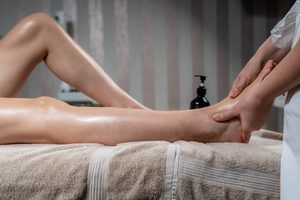
If one side of your body always feels tighter, a guided session may help identify the movements and positions linked to the problem. NOLA Stretch offers stretch therapy in Metairie designed around each person’s mobility and comfort. The goal is to help tight areas move more freely while supporting better balance throughout the body.
Schedule a personalized stretch session with NOLA Stretch today. The team can help you work on uneven tightness, improve your range of motion, and feel more comfortable during work, exercise, and daily life.