
After a stretch therapy session, you may feel like your body is easier to move. Your steps may feel smooth, your shoulders may sit lower, and your back may feel less stiff. This lighter feeling is not caused by a change in body weight. It often happens because stretch therapy helps reduce tightness and lets the body move with less effort. When your muscles and joints are no longer fighting against stiff tissue, simple actions can feel more natural.
Tight Muscles Begin to Relax
Muscles can become tight from sitting, exercise, stress, or doing the same tasks each day. When this tightness builds, your body may need to work harder to stand, bend, and walk. Assisted stretching slowly moves your body through safe and gentle positions. This can help calm tight muscles and reduce the feeling of being stiff or heavy. As your body relaxes, you may notice better freedom of movement in areas that felt hard to move before.
Your Fascia Can Move More Freely
Fascia is a thin layer of connective tissue found around your muscles, joints, and other parts of the body. When it becomes tight, movement may feel limited or uneven. A session of fascial stretch therapy in Metairie works with this tissue through slow, guided stretches. The goal is to help the fascia move more freely so your muscles and joints can work together with less strain. This may help explain why your whole body feels open after the session.
Your Joints May Feel Less Stiff
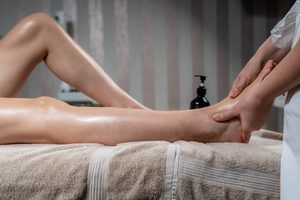
Stretch therapy does more than pull on a muscle. The therapist may move your arms or legs in different directions while supporting your body. These smooth movements can help your joints move through a wider range. When a hip, shoulder, or ankle is less stiff, the muscles around it may not have to work as hard. Better joint mobility can make walking, reaching, bending, and turning feel easier after your appointment.
Your Body Uses Less Effort to Move
A tight area can cause other parts of your body to do extra work. For example, stiff hips may place more work on your lower back. Tight shoulders may make reaching above your head feel hard. By helping these areas move better, assisted stretching may reduce the effort needed for daily tasks. Your body can use smoother movement patterns instead of pushing through tension. This improved body movement may create the light and loose feeling that many people notice.
Better Blood Flow Can Support the Feeling
Gentle movement and stretching may support blood flow through the muscles. Blood carries oxygen and nutrients that your tissues need. When you stay in one position for a long time, some areas may begin to feel tired or stiff. Stretch therapy gets those areas moving again. This may support healthy blood flow and help reduce the heavy feeling linked to tense tissue. Better circulation may also help your body feel warm, calm, and ready to move.
Your Nervous System Starts to Calm Down
Stress does not only affect your thoughts. It can also cause you to tighten your jaw, raise your shoulders, or brace your back without knowing it. Slow and gentle stretching can send signals that help your body feel safe. Your nervous system may begin to settle, which can help guarded muscles release. When both your mind and body feel calmer, you may notice less muscle tension and a greater sense of ease after the session.
Your Posture May Feel More Natural
Tight muscles can pull your body away from a comfortable position. You may lean to one side, round your shoulders, or place more weight on one leg. Stretch therapy may help reduce some of these tight areas, allowing you to stand in a more balanced way. Better posture can make your body feel taller and lighter because you are not working as hard to hold yourself up. Improved body balance may also make each step feel steadier.
The Feeling Can Last Beyond the Session
How long the lighter feeling lasts will depend on your body, daily habits, and activity level. Drinking water, taking short walks, and following simple stretches from your therapist may help you keep the results longer. Regular stretch sessions can also support steady gains in movement over time. With care, you may notice better flexibility, less stiffness, and more comfort during work, exercise, and daily life.
Move With Greater Ease at NOLA Stretch & Recovery
Feeling lighter is often a sign that your body is moving with less tension and effort. NOLA Stretch & Recovery offers personalized sessions based on your needs, comfort, and movement goals. If stiffness or limited movement is slowing you down, schedule fascial stretch therapy in Metairie today. Contact NOLA Stretch & Recovery to book your stretch therapy session and give your body the support it needs to move with greater ease.