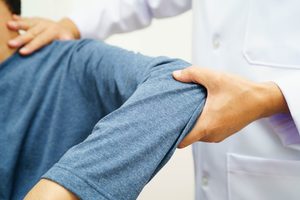

You can often do gentle exercise after a lymphatic drainage massage, but the right choice depends on your health and the reason for your visit. A short walk is different from a hard run or a heavy lifting session. If you have had surgery or receive treatment for ongoing swelling, follow your healthcare provider’s activity plan. Before booking manual lymphatic drainage in Metairie, tell the therapist about your usual workouts. That conversation can help you plan physical activity around your appointment without guessing what is right for your body.
Understand What Lymphatic Drainage Does
Your lymphatic system helps collect extra fluid from tissues and return it to your blood. Manual lymphatic drainage uses light, planned skin movements to help guide that fluid toward areas that can drain it. The treatment is different from deep tissue massage, which works with firmer pressure on muscles. It does not act as a workout, burn body fat, or clear you to exercise after an injury. Your need for swelling care may also involve other steps. For people with lymphedema, massage may be part of a plan that includes exercise, skin care, and compression.
Start With Gentle Movement
If your care team has cleared you for activity and you feel well, gentle movement may fit into your day after treatment. Walking at an easy pace is one option. Your muscles help move lymph fluid as they tighten and relax, so staying active can support lymph flow. This does not mean you need to exercise hard to make the session work. Choose a comfortable pace and stop if symptoms appear. If you have not been active for a while, begin slowly with a short walk rather than a long workout.
Ask Before Returning to Hard Workouts
Heavy weights, fast running, and tough exercise classes place more demand on your body than an easy walk. Ask your therapist and healthcare provider about strenuous exercise, especially if you are treating swelling or recovering from an injury. Tell them what you plan to do, including the type of workout and the area it uses. When you return to training, use a gradual increase in effort that fits your care plan. Feeling relaxed after massage does not mean every workout is suitable that day.
Follow Your Surgeon’s Plan After Surgery
If you receive post-surgery lymphatic drainage, your surgeon’s instructions guide when and how you can exercise. Massage does not cancel limits on lifting, stretching, swimming, or other activity while you heal. Even if swelling feels better, healing tissue may still need protection. Ask which movements are allowed and what signs mean you should stop. Share those instructions with your therapist before the session. Your recovery plan should account for the procedure you had, your stage of healing, and any problems along the way.
Keep Prescribed Compression in Your Routine
For some people with lymphedema, compression garments and movement work together to help manage fluid buildup. If your care team has prescribed a sleeve, stocking, or wrap, ask how to use it during exercise and after treatment. Do not stop wearing it just because a massage made the area feel less tight. The garment needs to fit correctly, and the plan should suit your condition. Read about the licensed therapists before your appointment and share your doctor’s guidance with the team.
Pay Attention to How You Feel
If you feel tired, dizzy, sick, or uncomfortable after a session, pause your workout and speak with your healthcare provider if symptoms continue. Fatigue is not a reason to push through a hard class, and feeling unwell should not be treated as proof that the massage is working. Watch for increased swelling, new pain, or skin changes, too. New redness, warmth, or fever needs prompt medical advice. Do not use exercise or another massage to try to fix those symptoms.
Plan Your Appointment Around Your Activity
Before arriving at the Metairie studio, think about your plans for the rest of the day. Tell the therapist if you have a gym class, a long walk, or a job that involves lifting. Ask what activity is suitable afterward and whether your doctor needs to give further guidance. Request clear aftercare instructions instead of choosing a waiting period from a general online tip. Keep your usual hydration habits unless your doctor has set a fluid limit. Planning ahead makes it easier to adjust your day if rest or lighter activity is recommended.
Get Guidance Before Your Next Workout
Exercise after lymphatic drainage should fit your health needs, treatment goals, and any medical limits. Gentle activity may be suitable, while hard training or movement after surgery may need more guidance. Nola Stretch & Recovery offers care at its Metairie studio and can discuss what to expect from your session. Explore manual lymphatic drainage in Metairie, then contact the team to ask about booking and preparation. Share your exercise routine so you can plan your appointment with clear questions and a better idea of your next steps.