
Stretching at home lets you work on flexibility on your own schedule. Professional stretching adds another person who can support your body, guide the movement, and adjust the session as you respond. That help can be useful when a position feels awkward or you are unsure where you should feel a stretch. With assisted stretching in Metairie, you can discuss your goals and get help choosing a comfortable approach. Home practice still has value. The difference is the level of support, feedback, and attention available while you move.
Another Person Helps Position Your Body
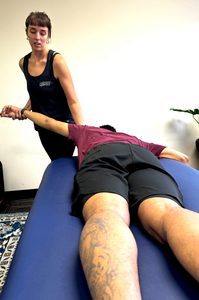
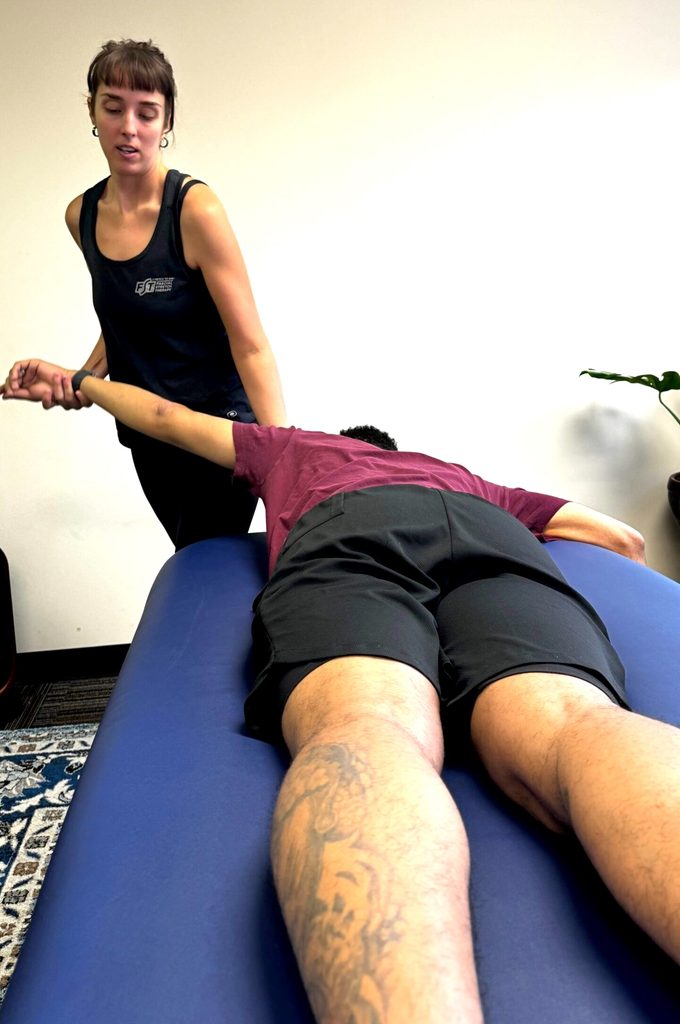
During a home stretch, you manage your position, balance, and effort yourself. In Fascia Stretch Therapy, a practitioner helps guide your body through stretches on a treatment table. Straps may help keep one area steady while another area moves. This supported positioning can make it easier to focus on the stretch without trying to hold every part of your body in place. You remain part of the process and can ask to pause or change position. The aim is controlled movement within a comfortable range, with the practitioner adjusting the support as needed.
The Session Starts With Your Needs
A person who spends hours at a desk may have different goals from someone who runs, gardens, or stands throughout a workday. Personalized stretching starts with a discussion of what feels limited and what you want to do more comfortably. You might mention trouble reaching overhead, bending to put on shoes, or turning to look behind you. The stretch therapy team can use those details to guide the session. Share what you already do at home, too. Your usual routine helps explain which movements feel helpful and which leave you unsure.
You Receive Feedback While You Move
A video can show a stretch, but it cannot respond to how you feel during it. During an assisted session, you can describe where you feel pulling and ask whether a position needs to change. Your practitioner can watch your stretching technique and adjust the angle, pace, or support. That conversation helps you learn what a controlled stretch feels like. You can also discuss your range of motion, which means how far a joint can move. Progress can be linked to useful daily tasks rather than only how far you reach during one stretch.
Comfort Helps Guide the Session
A comfortable stretch may create mild pulling or tension, but it should not cause pain. Tell your practitioner right away if a movement hurts, pinches, or causes tingling. The stretch may need to stop or change. Do the same when stretching on your own. Avoid bouncing or forcing a position because someone else can reach farther. Gentle movement gives you a chance to notice how your body responds. Breathing normally and staying in touch with the practitioner are useful parts of the session. You can ask questions, slow the pace, or stop at any point.
Home Stretching Still Has a Useful Role
A home stretching routine gives you a practical way to work on flexibility between visits. Short, steady practice may fit your day better than trying to do a long session once in a while. Ask which stretches are suitable for you and have the movements explained before trying them alone. Warm up with light activity before stretching, and keep the effort gentle. Regular movement also includes walking, strength work, and other activities that fit your health and goals. An assisted session can be one part of that routine, with home practice helping you stay involved in your progress.
Know What to Share Before Your First Visit
For your first stretch therapy visit, wear comfortable clothes that let you move, such as stretchy pants and a T-shirt. Share your health history, including recent surgery, injuries, joint problems, and any limits given by your doctor or physical therapist. Explain whether you have pain during movement or symptoms that have changed recently. If you have an injury or ongoing health concern, ask your healthcare provider which stretches are suitable before starting. Your practitioner should know about those instructions. A clear conversation helps you decide what to work on and whether other care is needed first.
Explore Assisted Stretching in Metairie
The right approach should fit your comfort, goals, and daily life. NOLA Stretch & Recovery offers Fascia Stretch Therapy in Metairie, with sessions tailored to the individual. Talk with the team about what you hope to improve, what you have tried at home, and any questions about the process. Ask what the session involves and how you can support your goals between appointments. Call (504) 474-8114 or schedule a stretching session to learn how guided support could fit into your movement routine.