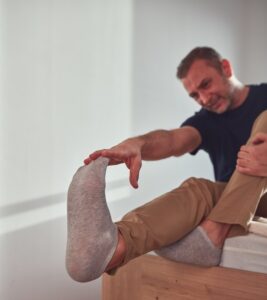

Many people with lower back pain are told the same thing: stretch your hamstrings. Tight hamstrings can affect how your body moves, so this advice makes sense on the surface. Yet many people spend weeks or even months stretching their hamstrings and still wake up with the same back pain.
The truth is that lower back pain is often more complicated than a single tight muscle. Your body works as a connected system, and pain in one area may be linked to restrictions somewhere else. This is one reason why many people seek fascia stretch therapy in Metairie when traditional stretching is not giving them the results they want.
Tight Hamstrings Are Not Always the Problem
The hamstrings are the muscles located on the back of your thighs. When they become tight, they can affect the position of your pelvis and place extra stress on the lower back.
However, tight hamstrings are not always the cause of the problem. In many cases, they are reacting to another issue somewhere else in the body.
Your body is constantly trying to protect itself. If the hips, pelvis, or lower back are not moving properly, the hamstrings may tighten as a way to provide stability. Stretching them may provide temporary relief, but it does not always address the reason they became tight in the first place.
Your Body Moves as One Connected System
Many people think of muscles as separate parts that work independently. In reality, the body is connected through a network of fascia, a type of connective tissue that surrounds muscles, joints, nerves, and organs.
Because fascia connects the entire body, restrictions in one area can affect movement somewhere else. A problem in the hips may create stress in the lower back. Tightness in the core can influence the pelvis. Limited movement in the upper body can even affect how the lower body functions.
This is why focusing on only one muscle group often fails to solve long-term pain.
Why Stretching Alone May Not Be Enough
Traditional stretching targets specific muscles. While this can improve flexibility, it may not address restrictions throughout the entire movement system.
For example, someone may stretch their hamstrings every day but still have:
- Limited hip mobility
- Tight hip flexors
- Restricted fascia
- Poor movement patterns
- Muscle imbalances
- Joint stiffness
If these factors are contributing to lower back stress, stretching one muscle group will only provide partial relief.
This is why many people become frustrated when they are doing all the “right” stretches but continue experiencing discomfort.
The Role of Fascia in Lower Back Pain
Healthy fascia allows muscles and joints to glide and move freely. When fascia becomes tight or restricted due to injury, repetitive movement, stress, poor posture, or inactivity, the body may compensate in ways that increase strain on the lower back.
A person may feel pain in the back even though the actual restriction is located in the hips, glutes, thighs, or other connected areas.
By improving the mobility of the fascial system, it is often possible to improve overall movement patterns and reduce unnecessary tension throughout the body.
How Fascia Stretch Therapy Takes a Different Approach
Fascia Stretch Therapy (FST) is designed to address the body as a connected system rather than focusing on one isolated muscle.
During a session, a trained practitioner guides you through assisted stretches that target both muscles and fascia. The goal is to improve mobility throughout the body while reducing restrictions that may be contributing to discomfort.
Many clients find that areas they thought were causing pain are actually being affected by limitations elsewhere in the body. By addressing these connections, movement often becomes easier and more comfortable.
This is one reason fascia stretch therapy in Metairie has become popular among people looking for a different approach to flexibility, recovery, and pain management.
Other Factors That Can Contribute to Back Pain
Lower back pain is not always caused by tight tissues alone. Daily habits can also play a role.
Common contributors include:
- Sitting for long periods
- Poor posture
- Weak core muscles
- Limited hip mobility
- Repetitive movements at work
- Lack of physical activity
When several of these factors occur together, the lower back often absorbs more stress than it should.
Addressing the body as a whole often produces better results than focusing on one muscle group.
Find a Better Way to Move
If you have been stretching your hamstrings for weeks without seeing meaningful improvement, it may be time to look beyond the hamstrings themselves. The body is connected through muscles, joints, and fascia, and lasting relief often comes from addressing the entire movement system.
At Nola Stretch & Recovery, our team provides fascia stretch therapy in Metairie to help improve flexibility, restore mobility, and reduce the tension that can contribute to lower back discomfort. Contact us today to schedule a session and discover how a full-body approach can help you move and feel better.