
Stretching is often treated as the universal solution for tight muscles, stiffness, and limited mobility. Yet many people stretch consistently and still feel restricted, sore, or frustrated by a lack of progress. If stretching “doesn’t work” for you, it doesn’t mean your body is broken—it means your body may need a different approach.
At Nola Stretch, we see this all the time. The issue usually isn’t effort. It’s how stretching is applied and what the body actually needs.
Stretching Targets Muscles, Not Always the Real Problem
Traditional stretching focuses mainly on muscle length. While muscles do play a role in movement, they’re only part of the system. Many mobility issues come from fascia, the connective tissue that surrounds muscles, joints, and nerves.
When fascia becomes dehydrated, restricted, or adhered, muscles can feel tight even if they aren’t actually short. In these cases, pulling harder on a muscle won’t create lasting change. It may even trigger the body to tighten up further as a protective response.
This is one of the biggest reasons stretching doesn’t work for some people—the restriction isn’t muscular, it’s fascial.
The Nervous System May Be Limiting Your Flexibility
Another overlooked factor is the nervous system. Flexibility isn’t just about tissue length; it’s also about how safe the nervous system feels allowing movement.
If your body perceives instability, past injury, or chronic stress, it may limit range of motion as a form of protection. In this situation, forcing deeper stretches can backfire, leading to more tightness or soreness afterward.
When stretching doesn’t stick, it’s often because the nervous system hasn’t been addressed. Without calming and retraining it, mobility gains tend to disappear quickly.
Overstretching Can Make Things Worse
More stretching is not always better. Aggressive or repetitive stretching can irritate tissues, increase inflammation, and reinforce poor movement patterns. This is especially common for people dealing with chronic pain, joint issues, or long-standing stiffness.
If stretching leaves you feeling sore, unstable, or tighter the next day, your body is signaling that it needs support—not force. Effective mobility work should feel relieving and restorative, not exhausting.
Why Fascia-Focused Stretching Works Better
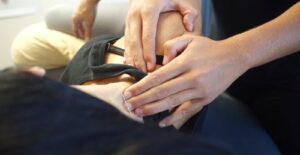
When stretching doesn’t work, fascia stretch therapy often fills the gap. Instead of passively pulling muscles, fascia-focused stretching uses guided movement, traction, and assisted positioning to restore length and hydration to connective tissue.
This approach improves joint mobility, reduces protective tension, and helps muscles relax naturally. Because the stretches are assisted and controlled, the nervous system stays calm, allowing the body to release restrictions safely.
At Nola Stretch, fascia stretch therapy is designed to work with your body rather than against it, creating changes that actually last.
Movement Patterns Matter More Than Isolated Stretches
Another reason stretching fails is that it’s often done in isolation. Stretching one tight area without addressing how the body moves as a whole leads to temporary relief at best.
Tight hips may be linked to poor core stability. Neck tension may stem from limited thoracic mobility. Fascia connects everything, which means restrictions often show up far from their source.
A full-body, pattern-based approach helps restore balance across the entire system instead of chasing tight spots one at a time.
What to Do Instead of Forcing Stretches
If stretching hasn’t worked for you, the solution isn’t to stop working on mobility—it’s to change the strategy.
Start by addressing fascia health, nervous system regulation, and joint mechanics. Use assisted stretching that allows your body to relax instead of resist. Focus on movement quality rather than depth, and prioritize consistency over intensity.
Combining fascia stretch therapy with recovery tools like massage therapy, PEMF therapy, or red light therapy can further enhance results by reducing inflammation, improving circulation, and supporting tissue recovery.
Smarter Stretching Starts with the Right Approach
If stretching hasn’t given you the results you expected, you’re not alone—and you’re not doing anything wrong. Your body may simply need a more intelligent, supportive method.
At Nola Stretch, we specialize in helping people move better when traditional stretching fails. If you’re ready to stop forcing stretches and start seeing real mobility improvements, book a session today and experience a smarter way to restore movement and feel better in your body.