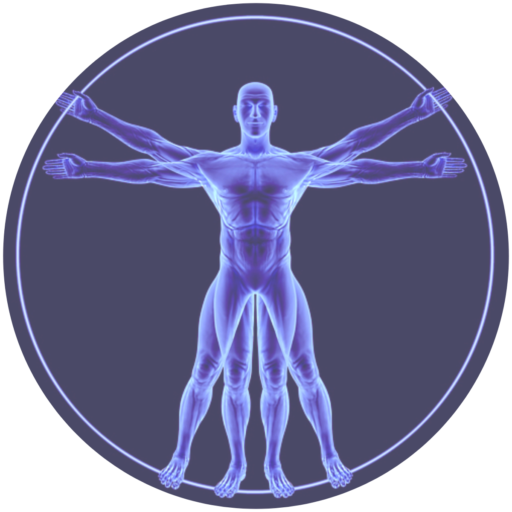

Your body is made of many parts that work together every day. You have muscles, bones, joints, nerves, and organs. But there is another part of the body that many people have never heard of. It is called fascia.
Fascia is a thin layer of connective tissue that surrounds and supports almost everything inside your body. It wraps around your muscles, bones, organs, nerves, and blood vessels. You can think of it like a web that connects your entire body from head to toe.
When your fascia is healthy, your body moves more easily. When it becomes tight or restricted, you may feel pain, stiffness, or limited movement. This is one reason why many people seek fascia stretch therapy in Metairie to help improve mobility and reduce discomfort.
What Exactly Is Fascia?
Fascia is a strong but flexible tissue made mostly of collagen and water. It forms a network throughout the body. Unlike muscles or bones, fascia does not exist in one single area. It is everywhere.
Imagine peeling an orange. The white stringy material that surrounds each section helps hold the fruit together. Fascia works in a similar way inside your body. It supports structures while allowing them to move and work together.
For many years, fascia did not receive much attention. Today, health and movement specialists recognize that this tissue plays a major role in how the body feels and functions.
How Fascia Connects the Entire Body
One of the most unique things about fascia is that it creates a continuous connection throughout the body. There are no separate pieces. Instead, it forms one large network.
This means tension in one area may affect another area. A tight hip may contribute to discomfort in the lower back. Restrictions in the shoulders may affect the neck. Because fascia is connected, the body often works as a whole rather than as individual parts.
This is why many people are surprised when improving mobility in one area helps relieve discomfort somewhere else. Addressing the health of the fascial system can improve movement patterns throughout the body.
What Happens When Fascia Becomes Tight?
Healthy fascia is flexible and allows muscles and joints to move freely. However, several things can cause fascia to become restricted.
Long hours of sitting, repetitive movements, poor posture, stress, injury, surgery, and lack of activity can all affect fascia. When this happens, the tissue may lose some of its flexibility and hydration.
As fascia becomes tighter, people may notice:
- Muscle tightness
- Joint stiffness
- Reduced flexibility
- Soreness after activity
- Limited range of motion
- Ongoing aches and pains
Many people stretch their muscles but still feel tight. In some cases, the fascia surrounding those muscles may be contributing to the problem.
Why Fascia Matters for Movement
Every time you walk, bend, reach, or exercise, your fascia helps transfer force throughout the body. It supports efficient movement and helps maintain proper alignment.
When fascia moves well, muscles can perform their jobs more effectively. The body often feels lighter, stronger, and more coordinated. When fascia becomes restricted, movement may feel harder than it should.
Athletes, active adults, and even people with desk jobs can benefit from paying attention to their fascial health. Better fascial mobility can support flexibility, balance, posture, and overall physical performance.
How Fascia Stretch Therapy Can Help
Fascia Stretch Therapy (FST) is a specialized form of assisted stretching designed to target the entire fascial network. Unlike traditional stretching that often focuses on individual muscles, FST addresses the connected tissue system throughout the body.
During a session, a trained therapist guides the body through gentle stretching techniques while the client remains relaxed. The goal is to help improve mobility, reduce restrictions, and promote better movement.
Many people report feeling:
- More flexible
- Less stiff
- Better range of motion
- Reduced muscle tension
- Improved recovery after exercise
At Nola Stretch & Recovery, fascia stretch therapy in Metairie is tailored to each person’s needs. Whether you are dealing with tight muscles, reduced mobility, athletic recovery concerns, or everyday aches and pains, addressing the fascial system may help you move and feel better.
Taking Care of Your Fascia Every Day
There are several ways to support healthy fascia. Regular movement is one of the best. Walking, stretching, strength training, and mobility exercises all encourage fascia to stay flexible.
Staying hydrated is also helpful because fascia contains a large amount of water. Good posture and regular recovery practices can support healthy tissue as well.
Professional treatments such as Fascia Stretch Therapy, assisted stretching, and other recovery services can help when tightness and restrictions begin affecting daily life.
Feel the Difference at Nola Stretch & Recovery
Your body is connected in ways many people do not realize. Fascia helps hold everything together while supporting movement, flexibility, and comfort. When this important tissue becomes tight, it can affect how your entire body feels.
If you are experiencing stiffness, limited mobility, or ongoing tension, Nola Stretch & Recovery can help. Contact our team today to learn more about fascia stretch therapy in Metairie and discover how improving the health of your fascial system can help you move with greater freedom and confidence.