
In today’s modern lifestyle, many individuals find themselves seated for extended periods, whether at a desk job, during commutes, or while relaxing at home. This sedentary behavior can lead to discomfort and chronic issues, particularly in the lower back. The human body is designed for movement; thus, prolonged sitting can adversely affect spinal health and overall well-being.
The Impact of Prolonged Sitting on the Lower Back
Sitting for long durations places significant stress on the lumbar spine. When seated, especially with poor posture, the natural curve of the lower back flattens, increasing pressure on the spinal discs. This compression can lead to disc degeneration over time. Additionally, remaining stationary reduces blood flow to the muscles and ligaments supporting the spine, causing stiffness and discomfort. Over time, this can result in muscle imbalances, where certain muscles become tight and overactive, while others weaken, further exacerbating lower back pain.
Common Causes of Sitting-Induced Lower Back Pain
Several factors contribute to lower back pain associated with prolonged sitting:
Poor Posture: Slouching or leaning forward can overstretch spinal ligaments and strain the discs, leading to pain and discomfort.
Inadequate Lumbar Support: Chairs lacking proper support fail to maintain the spine’s natural alignment, increasing the risk of pain.
Muscle Imbalances: Extended sitting can cause certain muscles, like the hip flexors, to tighten and others, such as the gluteals, to weaken—a condition sometimes referred to as “dead butt syndrome.” This imbalance affects pelvic alignment and places additional stress on the lower back.
Lack of Movement: Remaining in a static position decreases circulation and can lead to stiffness and reduced mobility in the lower back.
Preventative Measures and Remedies
Addressing lower back pain from prolonged sitting involves both proactive and reactive strategies:
- Ergonomic Workspace Setup: Ensure your chair provides adequate lumbar support and is adjusted so your feet rest flat on the floor. Your workstation should promote a neutral spine position, with the monitor at eye level and elbows at a 90-degree angle.
- Regular Movement Breaks: Incorporate short breaks every hour to stand, stretch, and walk. This practice enhances circulation and reduces muscle stiffness.
- Stretching and Strengthening Exercises: Engage in exercises that target the core, hip flexors, and gluteal muscles. For instance, hip flexor stretches can alleviate tightness, while strengthening the gluteals supports better pelvic alignment.
- Active Sitting Solutions: Consider using dynamic seating options, such as stability balls or ergonomic chairs designed to promote movement, encouraging subtle muscle engagement even while seated.
The Role of Professional Intervention
While self-care strategies are beneficial, seeking professional assistance can provide targeted relief and address underlying issues:
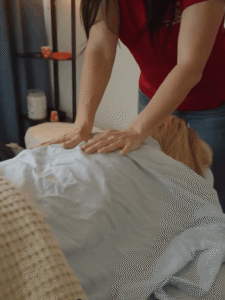
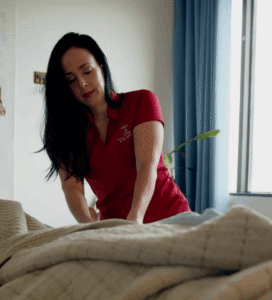
Massage Therapy: Professional massage can alleviate muscle tension, improve circulation, and promote relaxation. For those in the Metairie area, consulting a massage therapist in New Orleans can offer personalized treatment plans to address specific pain points.
Fascia Stretch Therapy: This specialized technique focuses on stretching the connective tissues, enhancing flexibility, and reducing discomfort associated with prolonged sitting.
Manual Lymphatic Drainage Treatment: This therapy stimulates the lymphatic system, aiding in the reduction of inflammation and promoting overall healing.
Conclusion
Prolonged sitting is an inescapable aspect of modern life, but its adverse effects on the lower back can be mitigated through mindful practices and professional care. By adopting ergonomic solutions, incorporating regular movement, and engaging in targeted exercises, individuals can significantly reduce the risk of developing lower back pain. For those seeking specialized care, NOLA Stretch & Recovery in Metairie offers a range of services tailored to alleviate discomfort and enhance overall well-being. Don’t let lower back pain dictate your lifestyle; take proactive steps today to ensure a healthier, pain-free tomorrow.