
When pain, stiffness, or slow recovery start interfering with daily life, the first question is usually the same: what actually works? With so many recovery options available today, it can be hard to know where to start. Massage therapy, PEMF therapy, and red light therapy are three of the most popular choices, each offering unique benefits. The real answer isn’t that one is universally better than the others—it’s about choosing the right tool for your body, your pain, and your recovery goals.
At Nola Stretch, we help clients understand these differences so they can make smarter recovery decisions.
How Massage Therapy Supports Pain Relief and Recovery
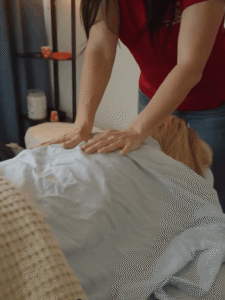
Massage therapy is one of the oldest and most trusted pain relief and recovery methods. It works by manually manipulating muscles and soft tissues to reduce tension, improve circulation, and promote relaxation. For many people, massage provides immediate relief, especially for tight muscle tissue caused by stress, posture issues, or overuse.
Massage is particularly effective for surface-level muscle tightness, acute soreness, and stress-related tension. It also helps calm the nervous system, which can reduce pain perception and improve sleep quality. However, its effects are often temporary if underlying issues like chronic inflammation, poor circulation, or cellular dysfunction are not addressed.
Massage works best when pain is muscular and localized, or when relaxation and stress relief are primary goals.
How PEMF Therapy Targets Deeper Recovery
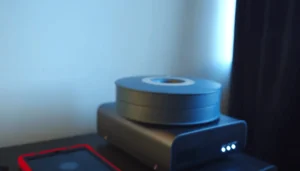
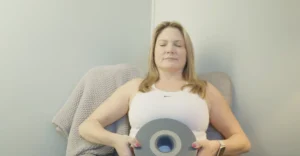
PEMF therapy (Pulsed Electromagnetic Field therapy) works at a deeper level than massage. Instead of manipulating muscles directly, it stimulates cells using electromagnetic pulses to improve cellular communication, circulation, and energy production.
This therapy is especially useful for chronic pain, joint discomfort, inflammation, and conditions that don’t respond well to hands-on treatments alone. PEMF therapy helps the body repair itself by supporting cellular health, which makes it effective for long-term recovery rather than just short-term relief.
Unlike massage, PEMF therapy doesn’t rely on pressure or physical manipulation, making it ideal for people who are sensitive to touch or dealing with joint-related pain rather than muscle tightness.
How Red Light Therapy Accelerates Healing
Red light therapy uses specific wavelengths of light to penetrate the skin and stimulate the mitochondria—the energy centers of your cells. This increased cellular energy production helps speed up tissue repair, reduce inflammation, and improve blood flow.
Red light therapy is particularly effective for muscle recovery, joint stiffness, and soft tissue healing. It’s also widely used for skin health, making it a versatile option for both recovery and rejuvenation. While massage works mechanically and PEMF works electrically, red light therapy works metabolically by fueling cellular repair.
This therapy is ideal for people recovering from workouts, dealing with lingering muscle soreness, or looking to improve overall tissue health without hands-on treatment.
Comparing the Three: Which Is Best?
The best recovery option depends on the source of your pain and what your body needs most.
Massage therapy excels at relieving muscle tension, improving relaxation, and providing immediate comfort. PEMF therapy shines when pain is chronic, inflammation-driven, or joint-related. Red light therapy is ideal for accelerating muscle recovery, reducing soreness, and supporting tissue healing at the cellular level.
Rather than competing, these therapies often complement each other. Massage can release tight muscles, PEMF can calm inflammation and improve circulation, and red light therapy can speed up healing and recovery.
Why Combining Therapies Often Works Better
Many clients at Nola Stretch see the best results when therapies are combined strategically. Massage can prepare the body by reducing tension, PEMF therapy can address deeper cellular issues, and red light therapy can enhance tissue repair. This layered approach targets pain from multiple angles instead of relying on a single method.
For people who have “tried everything” with limited success, combining therapies often fills in the missing pieces that standalone treatments can’t address on their own.
Choosing the Right Recovery Plan for You
There’s no one-size-fits-all answer when it comes to pain management and recovery. Some people respond best to hands-on care, others need deeper cellular support, and many benefit from a mix of both. The key is understanding your body, the source of your discomfort, and how different recovery therapies work together.
At Nola Stretch, we focus on personalized recovery plans that go beyond temporary relief and support long-term movement, comfort, and performance.
Smarter Recovery Starts with the Right Choice
Massage therapy, PEMF therapy, and red light therapy each play a valuable role in pain relief and recovery. The “best” option depends on your needs—and in many cases, the best results come from combining them.
If you’re ready to stop guessing and start recovering smarter, book a session with Nola Stretch today. We’ll help you choose the right approach so your body can heal, move, and perform at its best.