

Good balance helps you walk, turn, climb stairs, and stay steady during daily tasks. Your balance depends on many parts of your body working together. Your joints need to move well, and your muscles need to react at the right time. When tight tissue limits movement, your body may change the way it stands or walks. Fascial stretch therapy in Metairie can help release this tightness and support better body balance through gentle, assisted stretches.
Balance Starts With Free Movement
Your body makes small movements all day to keep you upright. Your ankles, knees, hips, and spine must adjust each time you take a step or change direction. If one area feels stiff, another part may work harder to help. For example, tight hips can shorten your steps or cause you to lean to one side. Fascial stretch therapy works on joint movement and muscle flexibility, which may help your body move with less strain.
Fascia Connects the Whole Body
Fascia is a thin layer of tissue that surrounds your muscles, bones, and joints. It helps different areas of the body move together. When fascia becomes tight, movement may feel stiff or uneven. You may notice that one hip turns more easily than the other or that one leg feels harder to lift. Gentle work on the connective tissue can ease these limits and support smoother whole-body movement.
Tight Muscles Can Affect Your Stance
Many people place more weight on one leg without knowing it. This can happen after an injury, from sitting in the same way each day, or from using one side of the body more often. Over time, some muscles may become tight while others do extra work. This uneven pull can affect how steady you feel. By releasing muscle tension and helping both sides move more freely, assisted stretching may support a more even standing position.
Better Hip Movement May Improve Stability
Your hips play a large part in balance. They help control your legs and keep your upper body steady while you move. Tight tissue around the hips can limit how far your legs move and may make each step feel less smooth. During fascial stretch therapy, the therapist can use gentle movements to open the hips and surrounding areas. Better hip mobility can make walking, turning, and changing direction feel easier while supporting greater lower-body stability.
Flexible Ankles Help You Stay Steady
Your ankles make quick changes when the ground is uneven or when your weight shifts. Limited ankle motion can make it harder to place your feet well or recover from a small misstep. Tight calves and tissue around the ankles may also affect your walking pattern. Fascial stretch therapy may improve ankle flexibility and help the feet move through a fuller range. This gives your body a better base for steady movement during daily activities.
Posture and Balance Work Together
Your body may have trouble staying centered when your head, shoulders, hips, and feet are not well lined up. Tightness in the chest, back, hips, or legs can pull the body away from a comfortable position. You may lean forward, raise one shoulder, or shift your weight to one side. Releasing these tight areas may support better body alignment and help you maintain a more natural upright posture with less effort.
What Happens During a Session?
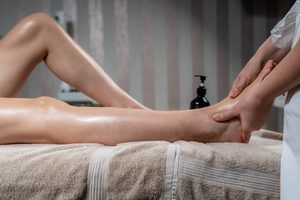
Fascial stretch therapy is done on a treatment table while you stay relaxed. The therapist may use straps to keep one part of your body steady while gently moving another area. The stretches may include slow pulling, bending, or circular motions. The session is shaped around your comfort, needs, and movement limits. This form of assisted stretching should not be painful, and clear therapist communication helps keep each movement comfortable.
Who May Benefit From This Therapy?
This therapy may help active adults, older adults, athletes, desk workers, and people who feel stiff after an injury. It may also support people who notice uneven movement or have trouble reaching, bending, or turning with ease. Each person has different needs, so the therapist can focus on the areas that affect their range of motion and daily physical comfort. Anyone with a health condition or recent injury should speak with a medical provider before starting a new therapy.
Take a Steadier Step With NOLA Stretch & Recovery
Better balance can make daily movement feel safer and more comfortable. By helping tight fascia, muscles, and joints move more freely, fascial stretch therapy may support the way your whole body works together. NOLA Stretch & Recovery offers personalized sessions based on your movement needs and comfort level. Schedule your fascial stretch therapy in Metairie today and let our team help you build greater movement confidence one gentle stretch at a time.