
Hump neck, also called forward head posture, can sneak up on anyone. Long hours at desks, looking down at phones, or even just bad habits can lead to this dreaded posture problem. But don’t worry! Fixing it is easier than you think.
What Is Hump Neck?
Hump neck happens when your neck and shoulders round forward, creating a slouched, hunched look. Over time, this can strain your muscles, restrict movement, and even cause pain in your neck, shoulders, and back. It’s not just a cosmetic issue—it’s a sign your body isn’t working as it should.
Why It Happens
Bad posture is the main culprit. Sitting for too long, carrying heavy bags, or even sleeping in odd positions can put your neck and back out of alignment. But the good news? You can reverse the effects with small, intentional movements and a little consistency.
Simple Stretch to Try Now
Let’s get started with a quick fix.
- Lift: Raise your neck upward.
- Tilt: Gently tilt your head backward.
- Forward: Bring your head back to a neutral position.
You’ll feel it working in your neck and upper back. Keep it slow and steady—fatigue is okay, but pain isn’t.
Build Strength While You Stretch
Strengthening your muscles goes hand-in-hand with improving posture. While stretches like the one above target immediate tension, strong muscles in your neck, shoulders, and upper back provide long-term support.
One simple move:
- Sit or stand tall.
- Squeeze your shoulder blades together.
- Hold for a count of three, then release.
Do this a few times a day to help reset your posture and avoid slouching.
Know When to Seek Help
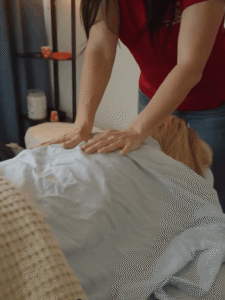
Sometimes, self-care isn’t enough. If you’ve been dealing with chronic pain or stiffness, it might be time to visit a massage therapist in New Orleans. A professional can help loosen tight muscles and reduce tension that worsens hump neck.
Fascial stretch therapy is another great option. It focuses on your connective tissues, increasing mobility and helping your body move as it’s meant to. A tailored approach can work wonders for long-term results.
Make Small Changes That Stick
Good posture doesn’t happen overnight. It’s about making little adjustments to your routine.
- Check Your Workspace: Set your screen at eye level to stop looking down all day.
- Take Breaks: Stretch and move every 30 minutes if you’re sitting for long periods.
- Sleep Right: Use a supportive pillow that keeps your neck in alignment.
These small changes can make a big difference over time.
Why Fixing Hump Neck Matters
It’s not just about looking better. Fixing hump neck improves your mobility, reduces pain, and boosts your confidence. When your body moves the way it’s supposed to, everything feels easier.
So, start now. Lift, tilt, and move forward—literally and figuratively. Your neck and upper back will thank you.
For those needing extra support, remember that places like NOLA Stretch are here to help you on your journey. From expert massage therapists to specialized therapies, you’re never alone in the fight against bad posture.
The journey to better posture starts with one small step—or stretch. Keep going. You’ve got this.