
In the realm of physical wellness and rehabilitation, stretching is a fundamental component. However, not all stretching techniques are created equal. Two prominent methods, Fascial Stretch Therapy and traditional stretching, have garnered attention for their unique approaches and benefits. Understanding the differences between these two can be crucial for individuals in New Orleans seeking to improve flexibility, reduce pain, and enhance overall physical performance.
Understanding Traditional Stretching
Traditional stretching, a familiar practice for most, involves manually extending muscles to enhance flexibility and mobility. This form of stretching is often categorized into static and dynamic stretches. Static stretching requires holding a stretch for a period, typically 15-30 seconds, targeting specific muscle groups. Dynamic stretching, on the other hand, involves moving parts of your body and gradually increasing reach, speed of movement, or both. These methods are widely used in fitness routines, sports, and as part of physical rehabilitation programs, including those in New Orleans.
The primary focus of traditional stretching is on the muscles themselves. It aims to lengthen the muscle fibers, thereby increasing flexibility and range of motion. While effective in many scenarios, traditional stretching does not specifically address the connective tissues surrounding muscles and joints, known as fascia.
Fascial Stretch Therapy: A Holistic Approach
Fascial Stretch Therapy, a relatively newer and more holistic approach, goes beyond traditional muscle stretching. Designed to target not just the muscles, but the fascia, this therapy is becoming increasingly popular in New Orleans. The fascia is the connective tissue network that surrounds and interpenetrates muscles, bones, nerves, and blood vessels. Fascia plays a crucial role in supporting and stabilizing the body, and its health is essential for optimal physical function.
Related Article: Understanding Your Fascial Network: A Deep Dive Into How FST Works
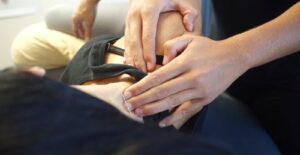
Fascial Stretch Therapy is typically performed by a certified therapist and involves a combination of assisted stretching and gentle traction. This method allows for a deeper, more comprehensive stretch that encompasses the entire joint and its surrounding tissues, not just the muscle. The therapist uses hands-on techniques and specific tools to help elongate and re-align the fascial network, leading to increased joint space, reduced pain, and improved body movement, a service increasingly sought after in the New Orleans area.

Key Differences and Benefits
The key difference between Fascial Stretch Therapy and traditional stretching lies in their approach and focus. While traditional stretching concentrates on muscles, Fascial Stretch Therapy provides a more integrated approach, addressing the entire myofascial complex. This holistic method can lead to more significant improvements in flexibility, pain reduction, and overall physical performance, making it a preferred choice for many in New Orleans.
Fascial Stretch Therapy is particularly beneficial for those recovering from injuries, athletes seeking to enhance their performance, or individuals experiencing chronic pain or stiffness. By improving the health and function of the fascia, Fascial Stretch Therapy can lead to a greater range of motion, enhanced muscular balance and symmetry, reduced risk of injury, and a general sense of physical well-being.
Conclusion
In conclusion, while traditional stretching remains a valuable tool for general flexibility and muscle health, Fascial Stretch Therapy offers a more comprehensive approach to physical wellness. By addressing the entire fascial network, Fascial Stretch Therapy can provide deeper, more lasting improvements in flexibility, pain relief, and overall physical function.
Whether you are an athlete, rehabilitating from an injury, or simply seeking to improve your physical health in New Orleans, contact Nola Stretch and Recovery to discover how our specialized Fascial Stretch Therapy can be a game-changer in your wellness journey. Schedule Your First Appointment Now.