
A leg cramp is a sudden tightening of a muscle that may last a few seconds or several minutes. It often affects the calf, but it can also occur in the feet, thighs, or hamstrings. Some people get cramps while exercising. Others wake up with them during the night. Occasional cramps are common, but repeated cramps may be a sign that your muscles need more movement, rest, hydration, or support. Learning what causes your cramps can help you find the right way to manage them.
Tight Muscles and Limited Flexibility
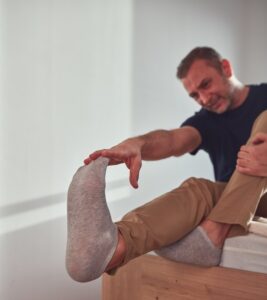
Tight muscles are a common cause of repeated leg cramps. When your calves, hamstrings, or thighs cannot move through their full range, they may become tired faster. A tight muscle can also react more strongly when it is suddenly stretched or placed under pressure. This may cause the muscle to contract and cramp. Regular movement and gentle stretching can help your muscles stay flexible. Professional stretch therapy in Metairie can also target areas that are hard to stretch on your own.
Not Drinking Enough Water
Your muscles need water to work well. When you lose more fluid than you take in, your muscles may become more likely to cramp. This can happen after exercise, spending time outdoors, sweating, or being sick. Hot and humid weather can increase fluid loss, which is a common concern in the New Orleans area. Drinking water throughout the day may help, especially before and after physical activity. Still, hydration is only one part of the problem. If cramps continue even when you drink enough water, another cause may be involved.
Low Electrolyte Levels
Electrolytes are minerals that help your muscles and nerves work together. They include sodium, potassium, calcium, and magnesium. Heavy sweating, certain health problems, or some medicines can affect these levels. When your body does not have the right balance, your muscles may contract without warning. Food and regular hydration usually provide what most people need. Do not start taking supplements just because you have cramps. Too much of some minerals can be harmful, so speak with a medical professional before using them.
Overworked or Tired Muscles
Leg cramps often happen after a long workout, a run, or a day spent standing. Muscle fatigue can make it harder for your nerves and muscles to control each movement. The muscle may then tighten and have trouble relaxing. This is more likely when you increase your activity too quickly or skip a warm-up. Rest, gentle stretching, and a slow return to activity can help. A guided stretching session may also improve how your legs move before or after exercise.
Sitting or Standing for Too Long
Your legs are made to move. Sitting at a desk, driving for hours, or standing in one place can leave your muscles stiff and tired. Long periods of sitting may shorten the muscles around your hips and legs. Standing for too long can place steady pressure on your calves and feet. Both habits may contribute to leg tightness and cramps. Short movement breaks during the day can help. Walking for a few minutes or gently stretching the calves and hamstrings can keep your legs from becoming too stiff.
Poor Movement Patterns
Your muscles work as a team. A problem in one area can place extra stress on another. For example, tight hips, weak glutes, or limited ankle movement may cause the calves or hamstrings to work harder. That extra work may lead to fatigue and cramping. The place where you feel the cramp may not be the only area that needs attention. This is why a full-body approach can be helpful. A stretch professional can check how different parts of your body move and work together.
Nighttime Leg Cramps
Some people experience leg cramps at night, often in the calves or feet. The exact cause is not always clear. Long hours of sitting, muscle fatigue, limited flexibility, or certain sleeping positions may play a role. Gentle calf and hamstring stretches before bed may reduce muscle tension. Keeping the blankets loose around your feet may also prevent your toes from being held in one position all night. Frequent nighttime cramps should be discussed with a medical professional, especially if they disturb your sleep.
When Leg Cramps Need Medical Attention
Most cramps are harmless, but repeated or severe cramps should not be ignored. Speak with a medical professional if your cramps happen often, last a long time, or come with swelling, weakness, numbness, skin changes, or severe pain. Some health conditions, circulation problems, nerve issues, and medicines can cause muscle cramps. A medical professional can check for causes that stretching alone cannot address.
Help Your Legs Move and Feel Better
If tight muscles and limited movement are contributing to your cramps, stretch therapy in Metairie may help improve flexibility, reduce tension, and support easier movement. At NOLA Stretch & Recovery, each session is based on your body, activity level, and areas of tightness. Contact NOLA Stretch & Recovery today to schedule a professional stretching session and give your legs the care they need.