
If you’ve ever felt swollen, bloated, heavy, or just “off” in your body, your lymphatic system may not be moving the way it should. This system plays a huge role in fluid balance, immune health, and overall recovery, yet it’s often overlooked.
The good news is that there are ways to support healthy lymph flow. The key is understanding what actually works — and what works best.
First, a Quick Reminder: How the Lymphatic System Works
Your lymphatic system is responsible for moving excess fluid, waste, and toxins out of your tissues. Unlike your heart, it doesn’t have a pump. It relies on movement, breathing, and gentle external support to keep things flowing.
When lymph fluid slows down, it can collect in the tissues. That’s when people notice puffiness, swelling, fatigue, or a heavy feeling in the body.
Common Ways People Try to Drain Their Lymphatic System
You may have heard about things like:
- Dry brushing
- Compression garments
- Rebounding or light exercise
- Breathwork and diaphragmatic breathing
These can all support lymphatic flow, especially when used consistently. Movement is important, and gentle activity absolutely helps.
But when lymph congestion is already present — or when someone wants real, targeted results — these methods often aren’t enough on their own.
The Most Effective Approach: Manual Lymphatic Drainage
The most effective and direct way to support the lymphatic system is manual lymphatic drainage.
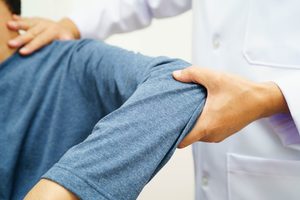
Manual lymphatic drainage is a specialized, gentle form of therapy designed specifically to encourage lymph fluid to move where it’s supposed to go. It works just beneath the skin using light, rhythmic movements that follow the natural pathways of the lymphatic system.
This isn’t deep pressure. It’s not about muscle work. It’s about precision, timing, and understanding how lymph flows in the body.
Why Manual Lymphatic Drainage Works So Well
The reason manual lymphatic drainage is so effective is because it:
- Stimulates lymph vessels directly
- Encourages fluid to move toward healthy lymph nodes
- Reduces swelling and fluid retention
- Helps the body clear waste more efficiently
- Supports the immune system
- Promotes a feeling of lightness and relaxation
Because it’s hands-on and tailored to your body, it’s far more specific than at-home techniques.
Who Benefits Most from Manual Lymphatic Drainage?
This type of lymphatic drainage can be helpful for many people, especially those dealing with:
- Chronic swelling or water retention
- Post-surgical recovery
- Inflammation
- A heavy or sluggish feeling in the body
- Limited movement due to fluid buildup
- Stress-related tension that affects circulation
It’s also a great option for people who feel like they’re doing “all the right things” — exercising, eating well, staying hydrated — but still feel puffy or congested.
How Often Should You Do It?
There’s no one-size-fits-all answer. Some people benefit from a short series of sessions close together, especially when addressing swelling or recovery. Others do well with periodic maintenance sessions to keep lymph flowing smoothly.
At NOLA Stretch, manual lymphatic drainage sessions are always personalized. We look at how your body is responding and adjust accordingly.
Why Professional Care Matters
While self-massage techniques exist, the lymphatic system is complex. Working with a trained therapist ensures that:
- The correct pressure is used
- Fluid is directed the right way
- Sensitive areas are handled safely
- You get real results without overstimulation
This is especially important after surgery or when swelling has been present for a while.
Final Thoughts
The best way to drain your lymphatic system is to support it gently, consistently, and intentionally. While movement and healthy habits matter, manual lymphatic drainage remains the most effective and targeted way to encourage proper lymph flow.
If you’re feeling swollen, heavy, or just not moving fluid the way you should, lymphatic drainage may be exactly what your body needs.
If you’re ready to feel lighter and more comfortable in your body, book a manual lymphatic drainage session at NOLA Stretch. We’re here to help your body move, circulate, and recover — the way it’s meant to.